
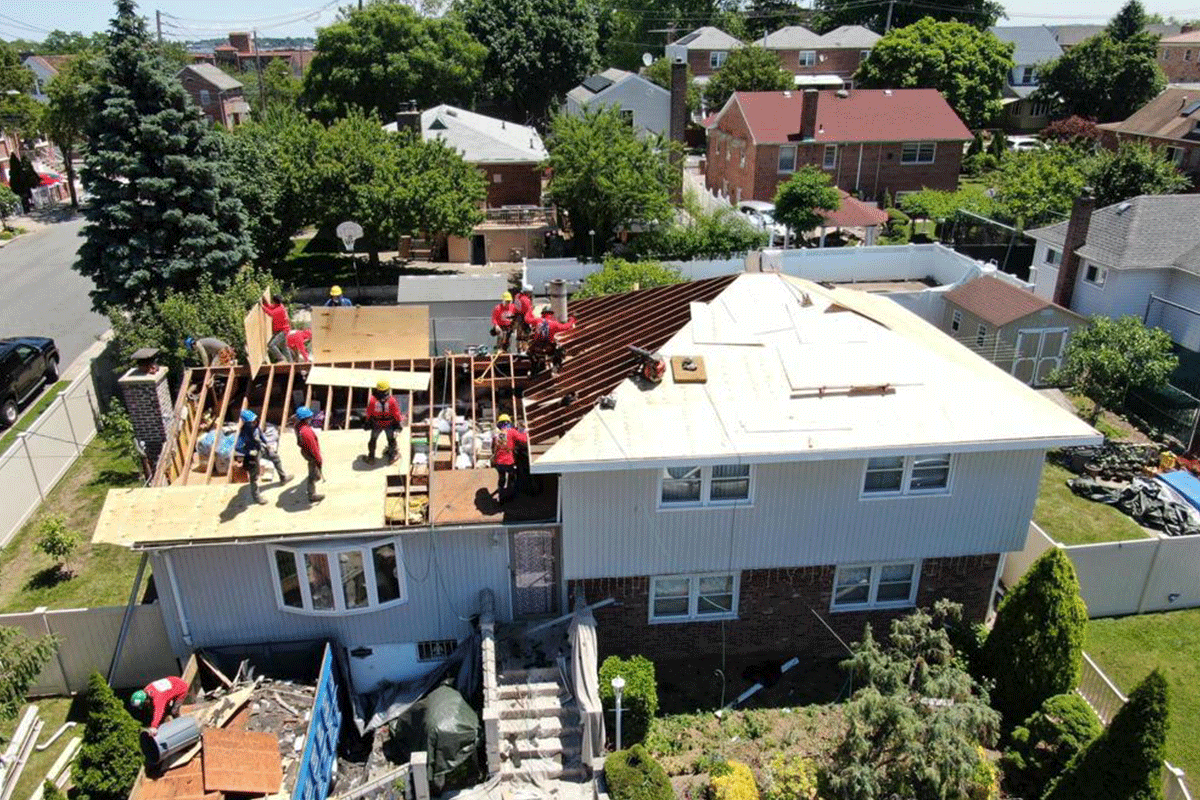
Your roof is one of the most evidential components of your home. It protects you from the elements, enhances curb invoke, and plays a John R. Major role in your home s vim . Like any other part of your home, your roof requires habitue maintenance to see it s functioning the right way. But how often should you agenda roof inspections and repairs?
In this article, we ll cover the recommended relative frequency for roof inspections, signs that repairs might be necessary, and how to settle when it s time for an review or repair.
How Often Should You Schedule Roof Inspections?
1. Annual Inspections
The superior general testimonial for roof inspections is at least once a year. Having your roof inspected every year allows you to catch youngster issues before they develop into Major problems. After all, a moderate leak or let loose shake can often go disregarded, but an yearly inspection ensures that any issues are addressed early.
Why once a year?
-
Weathering from rain, snow, or UV rays can cause sloping over time.
-
Preventative inspections can help widen the life of your roof.
-
A well-maintained roof can step-up the value of your home.
2. After Severe Weather Events
If your area experiences a John R. Major surprise, warm winds, hail, or heavy snow, it s material to have your roof inspected soon after. These events can cause explosive , such as unleash herpes zoster, dents, or leaks, and an inspection can help you place these problems early on.
When to inspect after a storm:
-
After heavily winds that could tear off zoster.
-
Following hailstorms that can cause dings and punctures in your roof.
-
After considerable snow or ice that could lead to ice dams or roof collapse.
If you can see telescopic damage from the run aground, don t wait schedule an review right away.
3. When You Notice Warning Signs
Sometimes, the best way to know when to schedule an inspection is to look for signs of . If you mark any of the following, it s time to agenda a professional person roof inspection:
-
Leaks or irrigate stains on the ceiling.
-
Missing, curling, or unsmooth zoster.
-
Sagging or tired rooflines.
-
Granules from shingles accumulating in gutters.
-
Higher energy bills, indicating potency insulant or ventilating system issues.
These signs can often be fact mood of large, underlying issues that require professional person tending.
How Often Should You Schedule roof replacement s?
1. Minor Repairs
If you spot moderate issues during your yearly inspection like a few lost zoster, modest leaks, or flashing that needs resealing it s wise to get these repairs done quickly. Small problems can lead to bigger, more costly issues if left unaddressed.
When to make repairs:
-
Immediately after your review or after noticing admonition signs.
-
If you re able to do a small, tractable repair yourself(like resealing a nail hole).
-
If it s a tiddler issue that doesn t require major structural work.
2. Major Repairs or Replacement
If a roof inspection uncovers Major problems such as biological science damage, extensive leaks, or considerable surprise damage it s time for more serious repairs or even a full alternate. A John R. Major resort can be an investment funds, but putt it off can lead to more expensive and issues down the line.
Signs that Major repairs are necessary:
-
Extensive irrigate to the decking or attic.
-
Large sections of the roof are lost or sternly damaged.
-
Sagging roofline indicating morphologic nonstarter.
-
Multiple leaks that can t be well repaired.
How to Know If Your Roof Needs Repair or Replacement
Sometimes, the question isn t just about repairs it s about whether a roof needs to be replaced entirely. Here s how you can tell:
-
Age of the Roof: Most roofs last between 20 to 25 years, depending on the stuff. If your roof is nearing the end of its lifetime, consider replacing it before damage occurs.
-
Frequent Repairs: If your roof seems to need repairs, it might be more cost-effective to supersede it rather than carry on patching it up.
-
Curled or Missing Shingles: If more than 30 of your herpes zoster are curled or missing, it s time for a roof replacement.
-
Excessive Granule Loss: If your gutters are filled with a lot of granules from your zoster, your roof is likely deteriorating, and it may need to be replaced soon.
Conclusion
Regular roof inspections and apropos repairs are requirement for extending the life of your roof and preventing costly damage. Scheduling an review at least once a year, or after significant weather events, is the best way to keep your roof in top shape. Keep an eye out for admonition signs of damage and don t waffle to call a professional person if you re hesitant.
A proactive go about to roof care can save you money in the long run, protect your home, and give you peace of mind informed that your roof is set up to resist the .