
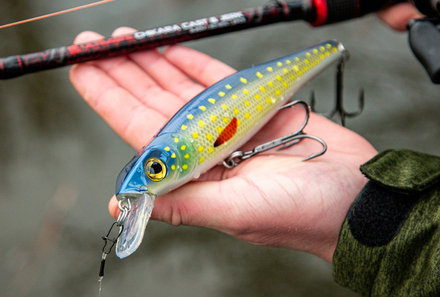
Fishing is not just about catching fish—it’s also about the craft, creativity, and strategy that go into it. One of the most rewarding aspects of fishing is making your own lures. Custom lures not only give you a sense of accomplishment but also allow you to tailor your tackle to specific fish species and local conditions. Whether you’re a hobbyist or an avid angler, here’s a step-by-step guide to making your own fishing lures fishing lure makers.
Step 1: Choose the Type of Lure
There are several types of fishing lures to choose from, including spinners, spoons, jigs, crankbaits, and soft plastics. Your choice will depend on the type of fish you're targeting and the water conditions. For beginners, soft plastic lures and spinners are a great starting point due to their simplicity.
Step 2: Gather Your Materials
Once you’ve decided on a lure type, collect the necessary materials. Common items include:
-
Hooks
-
Wire or lure bodies
-
Beads and blades (for spinners)
-
Soft plastic or moldable rubber (for soft baits)
-
Paint, glitter, and eyes (for customization)
-
Molds (if making soft plastics)
-
Epoxy or sealant (for durability)
You’ll also need basic tools like pliers, scissors, a heat gun, and a vice.
Step 3: Design Your Lure
Sketch out your lure design. Consider the size, weight, color, and action. Think about what kind of movement will best attract the species you’re after. For instance, erratic motion might mimic a wounded baitfish and trigger aggressive strikes.
Step 4: Assemble the Lure
For spinner lures, slide a blade and a few beads onto a wire shaft, followed by a hook. Use pliers to form a loop at the end of the wire to keep everything in place. For soft plastic lures, heat and pour the soft plastic material into a mold, then let it cool. After curing, trim off any excess material.
If you're working on wooden or hard-bodied lures, cut and sand your body shape from balsa or pine, then drill holes for the hook and eyelet. After shaping, paint the lure and apply a sealant to waterproof it.
Step 5: Customize for Performance
Fine-tune your lure’s action by testing it in water. You might need to adjust the weight, add or remove material, or tweak the angle of the blade or lip (in crankbaits) for the best results. Paint it in colors proven effective in your local waters. Adding scent or rattles can also boost performance.
Step 6: Test It Out
Take your homemade lure out to the water and give it a try. Pay attention to how it moves, how fish react, and whether it performs as expected. Don’t be discouraged if it doesn’t work perfectly the first time—tweaking is part of the process.
Conclusion
Making your own fishing lures is a fun and rewarding project that enhances your fishing experience. It allows for customization, experimentation, and even cost savings over time. With practice and creativity, your DIY lures could become your most productive tackle on the water. So grab your tools, let your imagination flow, and start crafting your next big catch.