
In now s industrial and state of affairs landscape painting, ensuring refuge and maintaining work efficiency are predominate. Gas detectors and gas analyzers play important roles in achieving these goals, offering crucial insights into the presence and concentration of various gases. Understanding their functions, applications, and differences can significantly affect safety protocols and restrictive compliance across numerous sectors.
The Fundamentals of Gas Detectors and Gas Analyzers
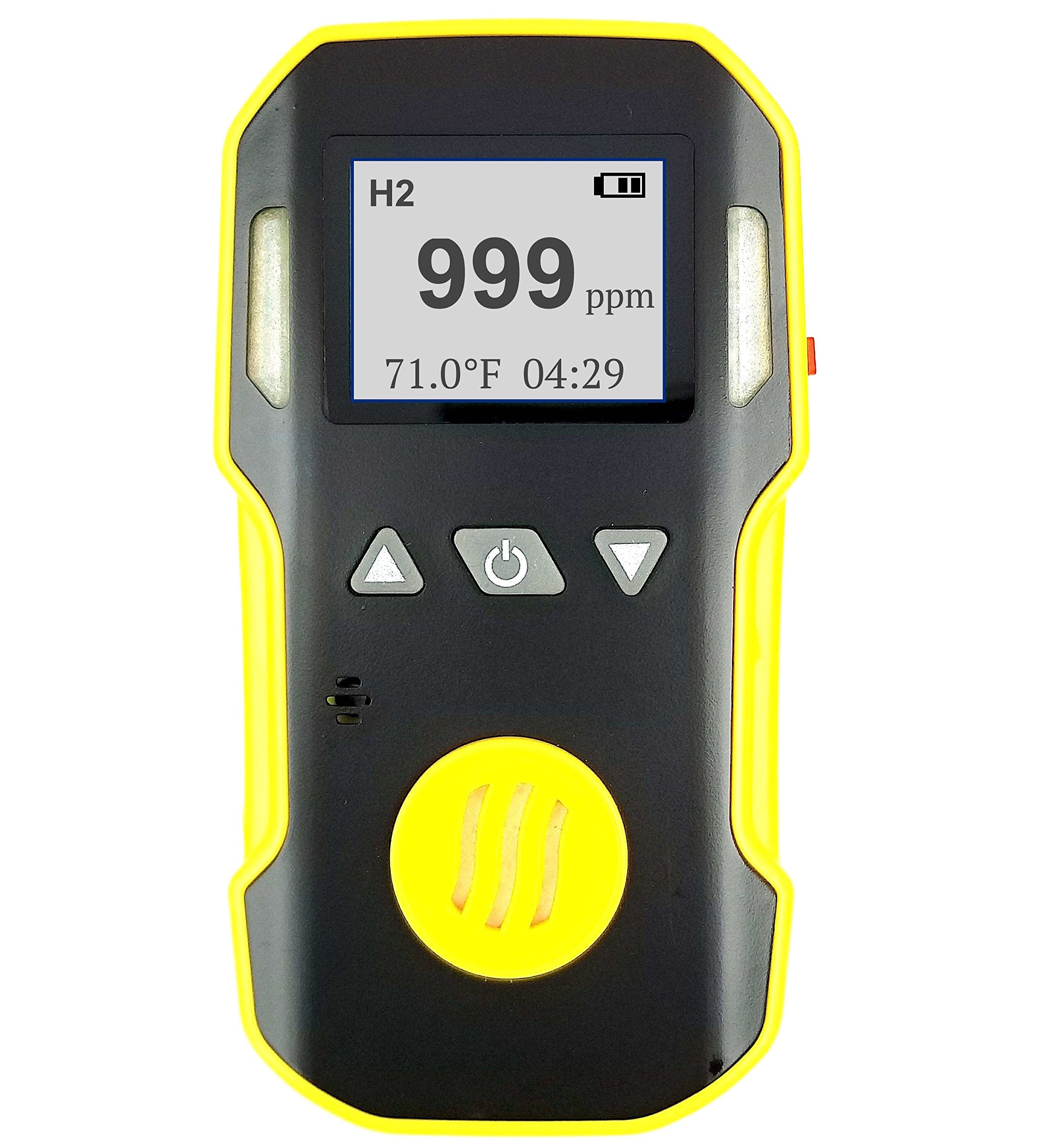
Gas Detectors are instruments premeditated to place the presence of specific gases in an . They are essential for subjective refuge and environmental monitoring, as they can find vesicant or possibly gases. Gas detectors are wide used in industries such as oil and gas, chemical substance manufacturing, and minelaying, where exposure to chanceful gases is a considerable risk. These typically operate using sensors that respond to the target gas, providing real-time alerts to users. Common types of gas detectors include handheld for subjective refuge and fixed systems for continuous monitoring in heavy-duty settings.
Gas Analyzers, on the other hand, are more intellectual instruments used to quantify the concentration of gases with high truth. They are employed in a broader range of applications, including air timber monitoring, work on verify, and environmental analysis. Unlike gas detectors that in the first place focus on the presence or absence of gases, gas analyzers provide careful denary data, sanctionative very monitoring and control of gas concentrations.
Key Technologies and Features
Both gas detectors and analyzers utilise various technologies to perform their functions. Electrochemical sensors are unremarkably used in gas detectors due to their sensitivity and selectivity towards particular gases. These sensors work by generating a current in reply to a chemical response involving the place gas. For gas analyzers, technologies such as infrared light(IR) spectrum analysis and gas are often made use of. IR spectroscopy measures the absorption of infrared light light by gases, which correlates with their concentration. Gas chromatography separates gases supported on their chemical substance properties and measures their concentrations with high accuracy.
Another momentous feature of gas detectors is their horrify systems, which cater audible and seeable alerts when touch-and-go gas levels are perceived. This real-time feedback is material for ensuring immediate process and preventing accidents. mercaptan detector analyzers, while often lacking in alarm features, volunteer detailed data through integer displays or data logging capabilities, which are requirement for in-depth psychoanalysis and reportage.
Applications Across Various Sectors
The applications of gas detectors and analyzers are vast and varied. In heavy-duty settings, gas detectors are used to protect workers from unsafe gas leaks, such as those involving hydrogen sulfide or carbon paper monoxide. Fixed gas detection systems are installed in areas prone to gas assemblage, such as confined spaces or product facilities.
Gas analyzers find their place in state of affairs monitoring, where they quantify pollutants in the air to ascertain compliance with restrictive standards. They are also used in work industries to ride herd on and control gas concentrations to optimise processes and maintain product quality. In automotive and aerospace industries, gas analyzers play a role in emissions testing and public presentation valuation.
Choosing the Right Instrument
Selecting the appropriate gas sensor or analyser depends on several factors, including the particular gases of refer, the required truth, and the operational . For example, a portable gas sensor may be suited for subjective safety in a dangerous work environment, while a unmoving gas analyser may be necessary for elaborate emissions examination.
Conclusion
Gas detectors and gas analyzers are obligatory tools in modern refuge and environmental direction. By understanding their functionalities and applications, organizations can better safe-conduct their trading operations, protect personnel, and follow with environmental regulations. As applied science advances, these instruments preserve to develop, offering enhanced features and greater truth, thereby contributing to safer and more competent industrial and environmental practices.