
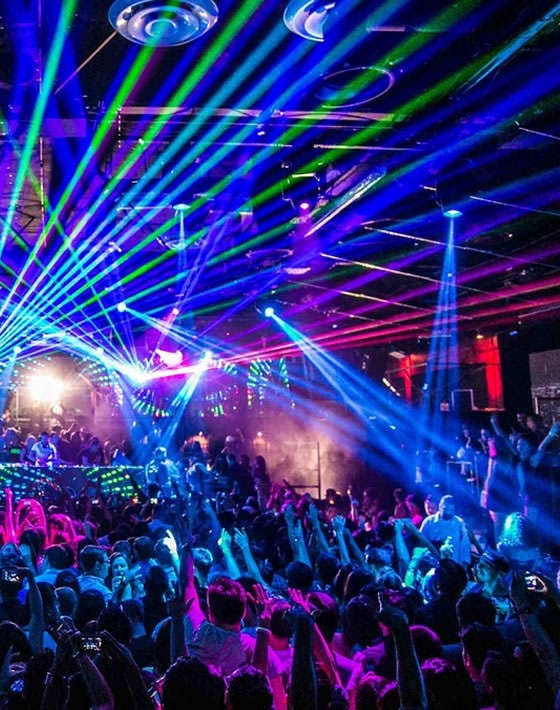
Evening 쌍암동나이트 s have evolved from pure entertainment spots to ethnic landmarks that encapsulate the nature of a city’s nightlife and the pulse of modern childhood expression. These great sanctuaries of noise and mild offer as a escape from the ordinary rhythm of lifestyle, opening their doors to a vibrant world pulsing with music, movement, and unfiltered freedom. Within their surfaces, persons lose the burdens of the tasks and responsibilities, transforming into dancers, dreamers, and lovers of the night. The night membership is not really a business—it is an event, a region wherever time bends, and the sole currency could be the overcome of the music and the joy of liberation.
In the poor ambiance pierced by laser lights and electronic rhythms, persons locate a place to reconnect not only with others but with their particular internal exuberance. Clubs give you a special mental escape wherever societal norms are melted, and self-expression is amplified. The allure is based on more than just dancing; it is the desirable mixture of anonymity and community. Whether it’s a high-energy party ground in Berlin, an exceptional lay in Dubai, or even a neon-drenched team in New York, the scene offers a standard thread that joins visitors through shared beat and emotion. Every stage, every motion becomes a the main night’s unwritten poetry.
An evening club also works as a modern-day agora—a place wherever countries match and impacts blend. The fashion, audio, and dance styles exhibited in these spots often ripple outward, influencing broader pop tradition trends. DJs become national icons, gown rules evolve into style statements, and actually slang created on the party floor finds its way into everyday speech. These establishments are microcosms of society’s tendencies, equally showing and shaping the development of metropolitan culture. They are playgrounds of creativity where artistic testing is not merely accepted but celebrated.
Furthermore, the night membership world represents an important role in financial pleasure and tourism. Cities well-known for their nightlife—such as for example Amsterdam, Bangkok, Las Vegas, and Ibiza—pull millions of tourists seeking a style of nocturnal adventure. The ripple outcomes are great, enhancing local hospitality industries, fashion suppliers, tech providers, and also transportation services. Evening clubs, when reliably maintained, lead considerably to the vibrancy and dynamism of a city’s identification and economy.
Despite their many cultural benefits, evening groups also experience criticism and challenges. Issues over extortionate drinking, drug use, and security are legitimate and must be addressed with strict regulation, proper protection, and neighborhood engagement. Yet, dismissing evening groups as simply careless or harmful overlooks their deeper value as centers of cultural cohesion and self-discovery. They are modern-day temples where flexibility of expression reigns, where in actuality the heart of a technology finds its tempo.
Basically, evening groups are far more than blinking lights and growing bass. They are social labs, innovative havens, and emotional discharge valves. They allow visitors to be who they really are—or perhaps who they wish to become—for some mysterious hours each night. And when birth pauses, the thoughts cast in that great night linger on, echoing like a favorite monitor extended following the final overcome fades.